
Why We’re Building This
The problem
Many people today feel less connected than they’d like to. Loneliness is more common, friendship is scarcer, and belonging is harder to find than it should be. It’s weighing on mental health, too: anxiety and depression have been climbing for years.
I'd prefer to see a well-cited rant about this →
The reasons are multifaceted, and mostly bigger than any one of us.
Institutions have thinned
The institutions that used to hold communities together are thinner than they once were. Often for good reasons, but the everyday support they offered went with them.
Screens took the hours
Screens fill the time people used to spend on each other, and feel like connection without delivering much of it.
Costs squeezed the room
The cost of ordinary life keeps climbing, housing above all in Vancouver, leaving less money and less room for gathering.
Third places are fading
The informal spots where community used to just happen have closed, gotten expensive, or now take careful planning to get to.
The world feels less steady
Costs climb, work feels less certain, the climate is changing, and the headlines rarely help. All of it lands heavier on people facing it alone.
Who's bearing it
This touches just about all of us, in different ways.
Children
Childhood has moved indoors and onto screens, with less freedom to roam and fewer adults around who know them by name. Kids today simply have less of a village than their parents did.
Young people
Coming of age with more of life on a screen and fewer places to find their people, and reporting less happiness and connection than any generation measured before them.
Couples
Often asked to be each other's everything: best friend, confidant, social planner, all without a community around the relationship to share the load. That's a lot to ask of any two people.
Parents
Trying to meet higher expectations than any generation before them, measured against the curated families of social media, often in smaller homes, further from family, and with less help close by. Raising kids was never meant to be done this alone.
Seniors
Many are outliving the things that once held old age together: the congregation that noticed an absence, the club with a role to play, the long-time neighbourhood. Too many are growing older with fewer people around them than they deserve.
What people have tried
People know something’s missing, and they’re out there looking.
Clubs, meetups, and activity groups. Everywhere you turn, and full of real friendship and real fun. What they rarely become is a truly holistic community, one that feels secure and lasting, marks the big moments, or shows up when life falls apart. And the bonds can fade when health or finances make it hard to keep coming: an injury that ends the weekly game, or a layoff that puts the fees out of reach.
Cohousing. A genuinely lovely idea: neighbours by intention, sharing daily life. In Vancouver, it also mostly requires winning the housing lottery and waiting on an endless waitlist, or building something from scratch.
Communes and intentional communities. The boldest version, and a few beautiful ones exist. But most ask more than an ordinary life can give, and without sound structure underneath they tend to come apart. The worst don’t just fail — they harden around a charismatic leader who ends up controlling the money, the rules, and eventually the people. There’s a reason the word “cult” comes up.
Secular congregations. Closest to what we’re after: church-shaped community without the church. They’ve drawn real crowds, which says a lot about how many people want this. But most asked so little of anyone that they stayed audiences rather than communities, and many quietly faded.
How Bedrock answers
A substantial part of the solution, we think, is refreshingly tangible: a living community filling the role of one of the big institutions many folks are missing, the faith community. Durable, in person, intergenerational, and grounded in shared values. Communities like this are how people have always lived well together and made it through hard stretches. What’s new is that many of us no longer have one. So we’re building one — a sturdy foundation of belonging and support underneath our members’ lives.
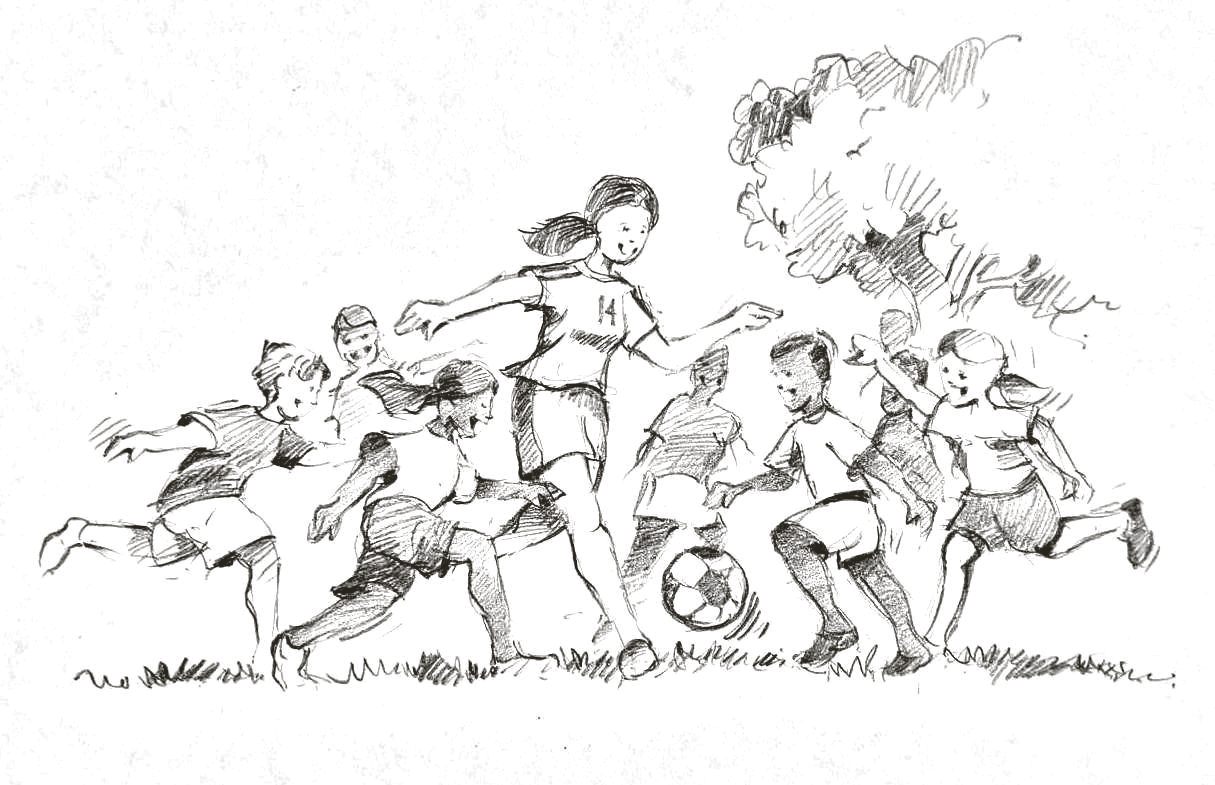
Maybe think of it as a bedrock.
Our answer
Our mission says we’re a place providing four things: belonging, shared meaning, practical guidance, and solidarity. Each one answers part of the problem directly.
How we're different
We’ve studied the attempts that came before us closely. Some asked too little of their people, and nothing held. Some asked more than an ordinary life can give. Some cost too much to join, and some came apart for lack of sound structure underneath. Bedrock is designed with every one of those lessons in mind.
Thicker than a club or meetup. The big moments marked, care that’s intentional when life gets hard, and a gathering that doesn’t hinge on one organizer’s energy, or on your finances or ability.
The togetherness of cohousing, minus the mortgage. Low-cost by design and open to you whatever your housing looks like. In reach without reorganizing your life around it.
The ambition of an intentional community, minus the failure modes. Members hold the legal power, no founder control, finances in the open, and conflict worked through fair process.
More lasting than the secular congregations before us. Membership carries clear, liveable expectations and responsibilities, and members build something together, because communities that ask something real of their people are the ones that stick.
What we ask of each other, and what you can count on
What we ask of each otherWhat you can count on
- Come once a month, to one core gathering.
- You'll have somewhere that's simply there, with people you can count on being there. It's on the calendar, and you don't have to plan it, pay for an outing, or wait to be invited.
- Chip in toward the cost, as you're able.
- You won't be priced out when money's tight.
- Make an effort to contribute. A committee, a dish, a workshop, a skill, the board, or whatever fits for you.
- You'll have a role, a growing culture that you're part of, and a place that doesn't burn out on a few people's energy.
- Help hold the values. Take them seriously, while making room for people to understand and live them in their own way.
- You'll have a place of strength for people who share them, and practical ways to practice and celebrate them together.
- Show up for people, as you're able.
- You can count on others making the same effort when you need it.
- Agree to a one-page code of conduct. It sets out how we treat each other individually, the bedrock community, and the organization.
- You'll have a community with clear expectations, ways to avoid problems, and ways to work past them when they come up.
- Engage in democratic processes.
- You'll be part of an organization that's truly shaped by its members and keeps getting better over time.
Why once a month?
Honestly, we don't love making attendance a requirement. But the research that helped inspire Bedrock suggests that part of what makes faith communities often so good at creating belonging, support, and lasting ties is that participation isn't treated as entirely optional. People are expected to keep showing up for one another. A community you can count on needs some version of that shared commitment. Without it, gatherings become unpredictable, relationships don't deepen, and keeping things going falls to the same few people.
Once a month is the smallest commitment we think can create a real rhythm: enough for faces to become familiar, for people to notice when someone's missing, and for Bedrock to become more than a series of events. It doesn't mean perfect attendance, or no room for illness, caregiving, travel, or a difficult season. It means that showing up is part of the commitment we make to one another and one of the most important things that makes this a community you can count on.